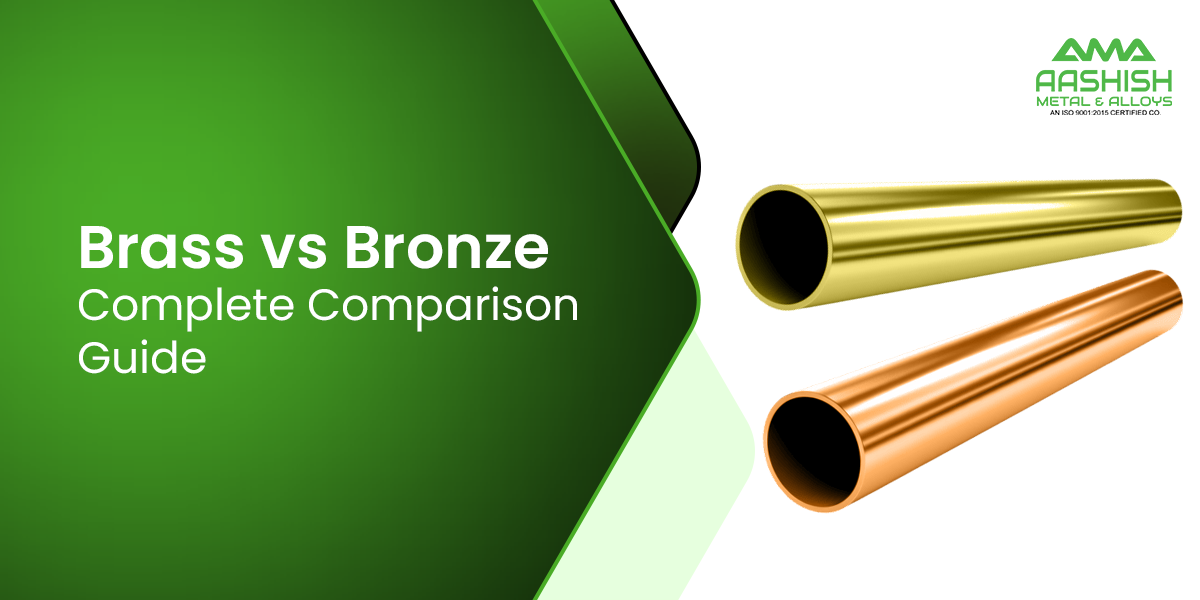
Brass vs Bronze is a comparison that is frequently done since both materials are copper alloys and have similar uses. But each material has its unique chemical composition with various mechanical and corrosion resistant characteristics. Brass is a copper-zinc alloy well suited to machining and forming, known for its ductility and golden color. Bronze, on the other hand, is composed of copper and tin, and offers excellent strength, high wear resistance, and durability under extreme conditions. There are great differences between Brass and Bronze in terms of engineering, industrial, marine and ornamental purposes, and hence it is important to be aware of these differences before selecting the appropriate material. This article highlights the major differences between Brass and Bronze including their composition, properties, advantages, uses, and differences.
What is Brass?
Brass is an alloy that is made up of copper-zinc alloy and it comes with features of high strength, corrosion resistance and ease of machining. It’s composed of other ingredients such as lead, aluminum, iron, manganese or silicon. It provides aid to the manufacturer to enhance properties such as durability, wear resistance and formability for particular applications. It is gold in color and can be used for many different purposes; brass is a very popular material used in plumbing, electrical, decorative hardware, valves and precision engineering applications.
Typical brass composition:
- 85% copper / 15% zinc (often called red brass)
- 70% copper / 30% zinc (cartridge brass)
- 60% copper / 40% zinc (Muntz metal)
What is Bronze?
An alloy of copper and tine and other small quantities of elements (phosphorus, silicon, aluminum, manganese, zinc, or nickel) that improve its properties is commonly called bronze. It has properties of excellent corrosion resistance, great strength, low friction and good wear resistance. Due to its characteristics, it can be used in bearings, bushings, ship parts, industrial machines and engineering applications.
Typical bronze composition:
- 88% copper / 12% tin (standard bronze)
- Phosphor bronze: copper, 5 to 11% tin, plus a trace of phosphorus
- Aluminum bronze: copper with 5 to 11% aluminum instead of tin
Comparison Between Brass vs Bronze
Property | Bronze | Brass |
Color | Reddish-brown | Goldish |
Primary Alloying Elements | Copper and Tin | Copper and Zinc |
Melting Point | 950 °C | 900 °C |
Corrosion Resistance | Excellent (even in saltwater) | Good |
Ductility / Brittleness | More brittle | More ductile |
Magnetic | No | No |
Key Applications | Instruments/parts (bells, cymbals, guitar strings), architectural decorations, outdoor sculptures, bearings, bushings, springs, precision machine parts, submerged bearings, and ship propellers. | Instruments (saxophones, French horns, harmonicas, trumpets, tubas), jewelry, coins, statues, decorative items, gears, bearings, locks, doorknobs, and valves. |
What Actually Sets Them Apart Brass vs Bronze
To identify between brass vs bronze there are some key differences which information is given below.
How to Tell Them Apart by Color
This is the most convenient test, when you have a piece of metal in your hand and don’t know what it is. Brass comes in a bright bright yellow-gold colour, which is closer to the colour of gold jewellery. Bronze is slightly more reddish brown than the copper penny. As time passes, the exterior of a bronze statue or other art piece will start to take on a greenish tone, which may actually be one of the reasons why it is so popular for outdoor pieces of art and architecture. Brass does not turn green, but rather gets a duller, brownish color.
Strength and Workability
Brass wins here. It is more malleable, because it will not crack when bent or stamped, which is why it is the preferred material for casting, stamping and precision machining. That’s why you’ll find brass in all those little, intricate components such as valves, musical instruments, and gears. Bronze is more difficult to bend and slightly harder. The hardness is a good thing for parts that will be subjected to wear with use such as bushings and bearings; it is a bad thing for parts that are easier and cheaper to machine, such as brass.
Corrosion Resistance
Both metals are more corrosion resistant than steel, with bronze better able to resist corrosion, especially in sea water. Bronze is the material choice for ship propellers, underwater hardware and fittings for hundreds of years for a good reason. Brass also has a good resistance, particularly those one might select which are high in manganese, but not quite so good as bronze when salt water is present.
Cost Differences
Generally, bronze is more expensive, and sometimes much more costly, than the other. The price of tin is higher than zinc and the higher the percentage of copper in bronze than in brass, which further increases the cost. Bronze may be as much as four times the cost of brass, depending on the alloys being compared. When budget is a significant issue, and the application doesn’t call for some of the special properties of bronze, brass is typically the more cost-effective solution.
Common Applications
Where brass is typically used:
- Plumbing fittings and valves
- Musical instruments (trumpets, saxophones, French horns)
- Decorative hardware like door handles and hinges
- Electrical connectors and terminals
- Ammunition casings
Where bronze is typically used:
- Bearings and bushings
- Ship propellers and marine fittings
- Sculptures and bells
- Springs and precision components (particularly phosphor bronze)
- Gears and low-friction machine parts
Sourcing Brass and Bronze Alloys from Aashish Metals
Aashish Metals supplies a range of copper-based alloys for industrial applications, including gunmetal in round bar and hollow bar forms, phosphor bronze round bar, and beryllium copper in strip and coil formats for applications that need even more strength and conductivity than standard bronze. We also stock brass shims for precision spacing and alignment work where a softer, sacrificial material is preferred over stainless steel.
If you’re still weighing your options between copper alloys for a specific application, our guide on beryllium copper versus other copper alloys goes deeper into how these specialty materials compare on strength, conductivity, and cost, and our breakdown of shim materials covers how brass and copper shims are used differently on the shop floor.
Conclusion:
While brass vs bronze are similar since both are copper alloys, they do not have much else in common. Brass is softer and more affordable and thus more suitable for plumbing and other applications where it is important to save on costs. In contrast, bronze is stronger and more durable. It can withstand wear and tear for many years, which makes it suitable for bearings and marine parts. It is relatively easy to tell the two alloys apart once you know how. At Aashish Metals, we provide our customers with brass shims, various bronze alloys including gunmetal and phosphor bronze, and beryllium copper. Contact us to get the alloy you need.
FAQs
Bronze is generally harder than brass, which gives it better wear resistance, but brass is more malleable and easier to shape without cracking. “Stronger” depends on what you’re measuring: bronze wins on hardness and wear resistance, brass wins on workability.
Bronze is usually more expensive than brass because tin costs more than zinc, and bronze often contains a higher percentage of copper as well.
Usually yes. Brass has a bright yellow-gold color, while bronze is more reddish-brown and develops a green patina over time when exposed outdoors.
No, neither metal is magnetic. Both are copper-based alloys, and copper, zinc, and tin are all non-magnetic metals.
Bronze generally holds up better outdoors and in wet or salty environments thanks to its superior corrosion resistance, which is why it’s the traditional choice for outdoor sculptures, marine hardware, and architectural fittings.